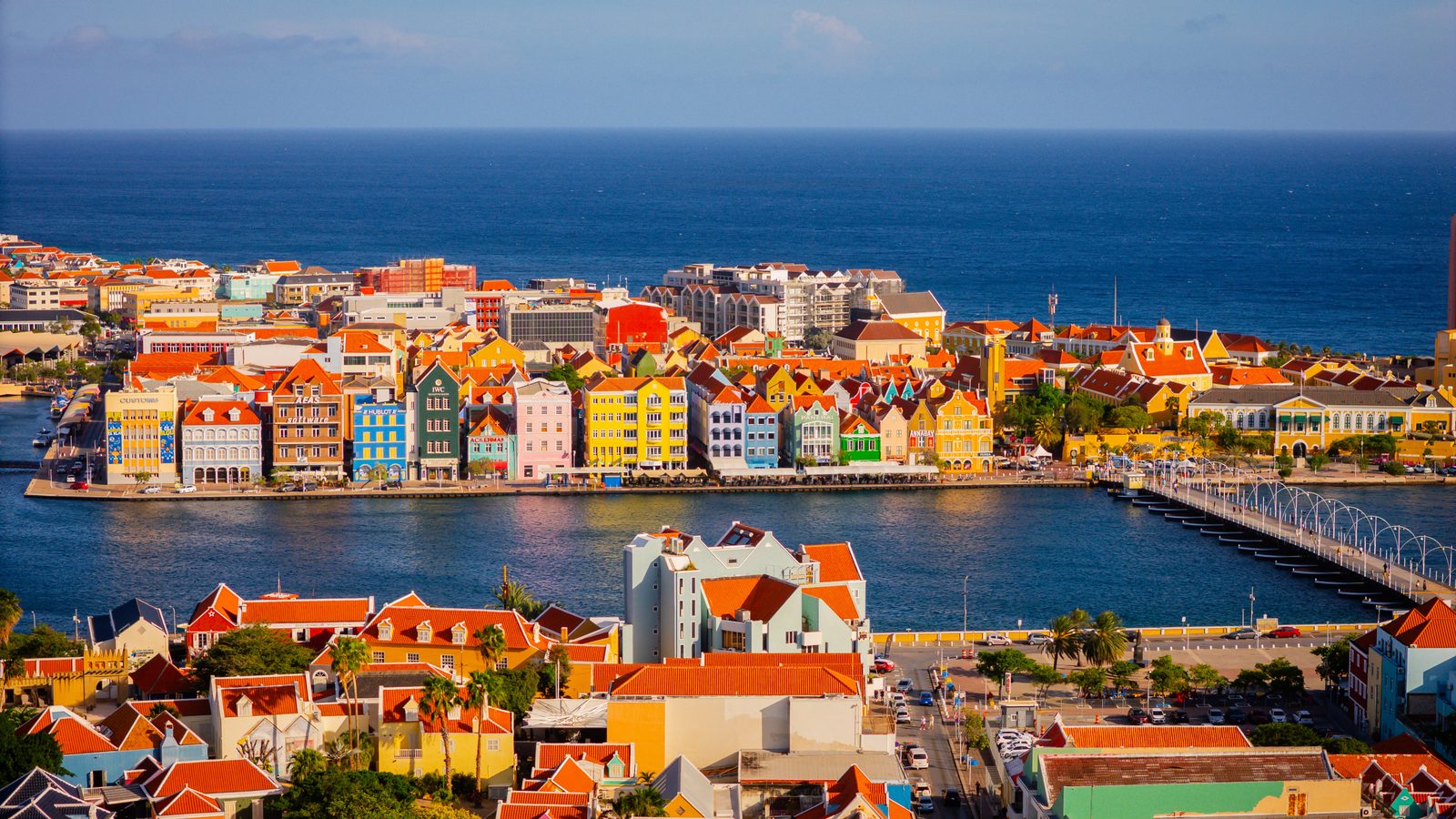
3 Curaçao Foods You Must Try (and Where Locals Eat Them)
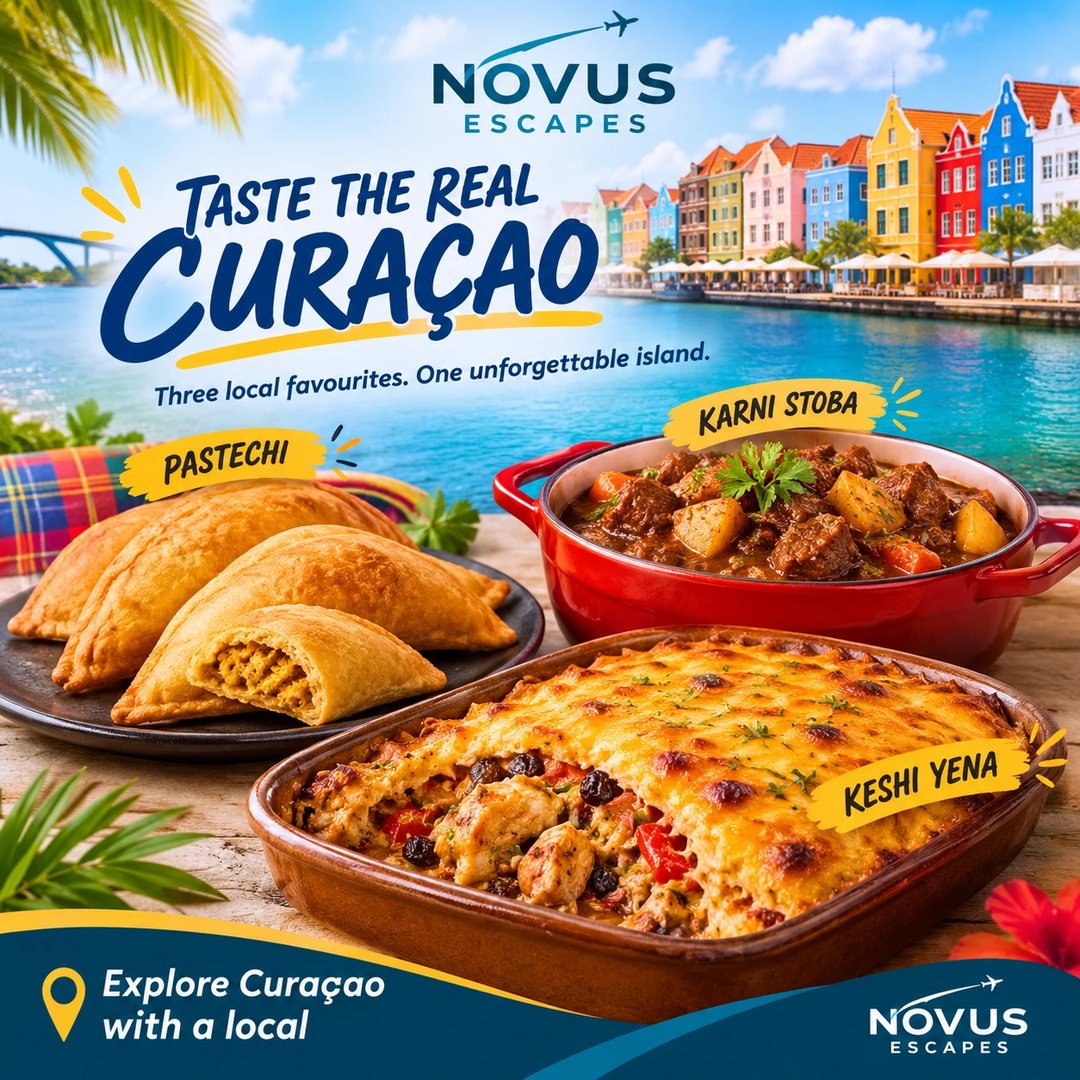
Pastechi, keshi yena and stoba: three local Curaçao dishes you have to try, plus where locals actually eat them. Tips from a local guide.
One of the best ways to get to know Curaçao is through its food. Our kitchen is a mix of African, Dutch, Spanish, Latin American and Caribbean flavors, and you can taste that history in every plate.
Here are three local dishes you should not leave the island without trying, and where locals actually go to eat them.
1. Pastechi: the island's favorite snack
Pastechi is a golden, fried pastry filled with cheese, chicken, beef or fish. It is crispy on the outside, soft on the inside, and best eaten warm.
Locals eat pastechi for breakfast, as a quick snack between errands, or on the way to the beach. If you only try one local snack in Curaçao, make it this one.
Where locals eat it: at small snack bars, bakeries and roadside stands, usually early in the morning when they are fresh out of the fryer. Look for places with a line of locals in the morning. That is always a good sign.
My tip: ask for one with cheese and one with meat, so you can taste both.
2. Keshi yena: our most famous dish
Keshi yena means "stuffed cheese." It is a round of cheese (usually Gouda or Edam) filled with spiced chicken or beef, often with olives, raisins and capers, then baked until it is soft and melted.
This dish has a strong story. It is said to have started when cooks on the old plantations used the leftover cheese rinds from Dutch households and filled them with whatever they had, turning leftovers into something special.
Where locals eat it: at local restaurants that serve "kuminda krioyo," our traditional home-style cooking. It is a popular lunch dish and perfect to share if you are not very hungry.
3. Stoba: the taste of home
Stoba is a slow-cooked stew, and every family has its own recipe. You will find goat stew (kabritu stoba), beef stew (karni stoba) and even papaya or cucumber stew.
It is usually served with funchi, a cornmeal side similar to polenta, plus rice and sweet fried plantain. Rich, warm and full of flavor, this is the kind of meal locals grow up with.
Where locals eat it: at small local kitchens and lunch spots, especially at midday. Portions are generous and the prices are often friendly.
A few more local flavors to try
- Kroket: crispy fried croquettes, a favorite snack with Dutch roots
- Yambo: a local okra soup
- Kadushi: a traditional soup made from cactus
- Fresh fish: grilled or fried, often served with funchi and fried plantain
- Blue Curaçao: the famous liqueur made on our island from the peel of the local Laraha orange
A few tips for eating like a local
- Lunch is the main meal for many locals, so that is the best time to find traditional dishes.
- Local hot sauce is called "pika." Ask before you add it, because it can be very spicy!
- Bring small bills. Many local spots are simple, friendly places where cash is easiest.
- Do not be shy to ask what is good today. Locals love to recommend their favorite dishes.
Taste Curaçao with a local
On our private tours, food is part of the experience. If you join us, just tell me what you would like to try, and I will take you to a local place that suits your taste.
You can also taste Blue Curaçao liqueur on our Willemstad Highlights & History Tour, or build your own custom private tour around beaches, culture and food.
✅ Free cancellation up to 24 hours before your tour
💵 Payment in cash at the end of your tour
💬 Questions? Message us on WhatsApp: +599 9 529 2530
Eet smakelijk, or as we say in Curaçao: bon apetit!